Dear readers,
On Thursday, we warned that Washington’s dual mission—prosecuting a military conflict while stabilizing the energy markets that conflict disrupts—was on a collision course. We noted that time was running short. Forty-eight hours later, we can dispense with the metaphor. The collision has arrived.
The US economy shed 92,000 jobs in Friday’s labor report, pushing unemployment to 4.4%. US benchmark crude spiked 12.2% to $90.90 a barrel. When Brent was pressing toward $84 on Thursday, we flagged $85 as the level that would force a wholesale reassessment of inflation expectations. Brent blew through that threshold and kept going, settling at $92.69—its highest print since September 2023. The stagflation scenario that lived on the margins of Wall Street’s risk models is now sitting squarely in the center of them.
Here is what matters as you prepare for the week ahead.
The Macro Reckoning: A Labor Market in Reverse
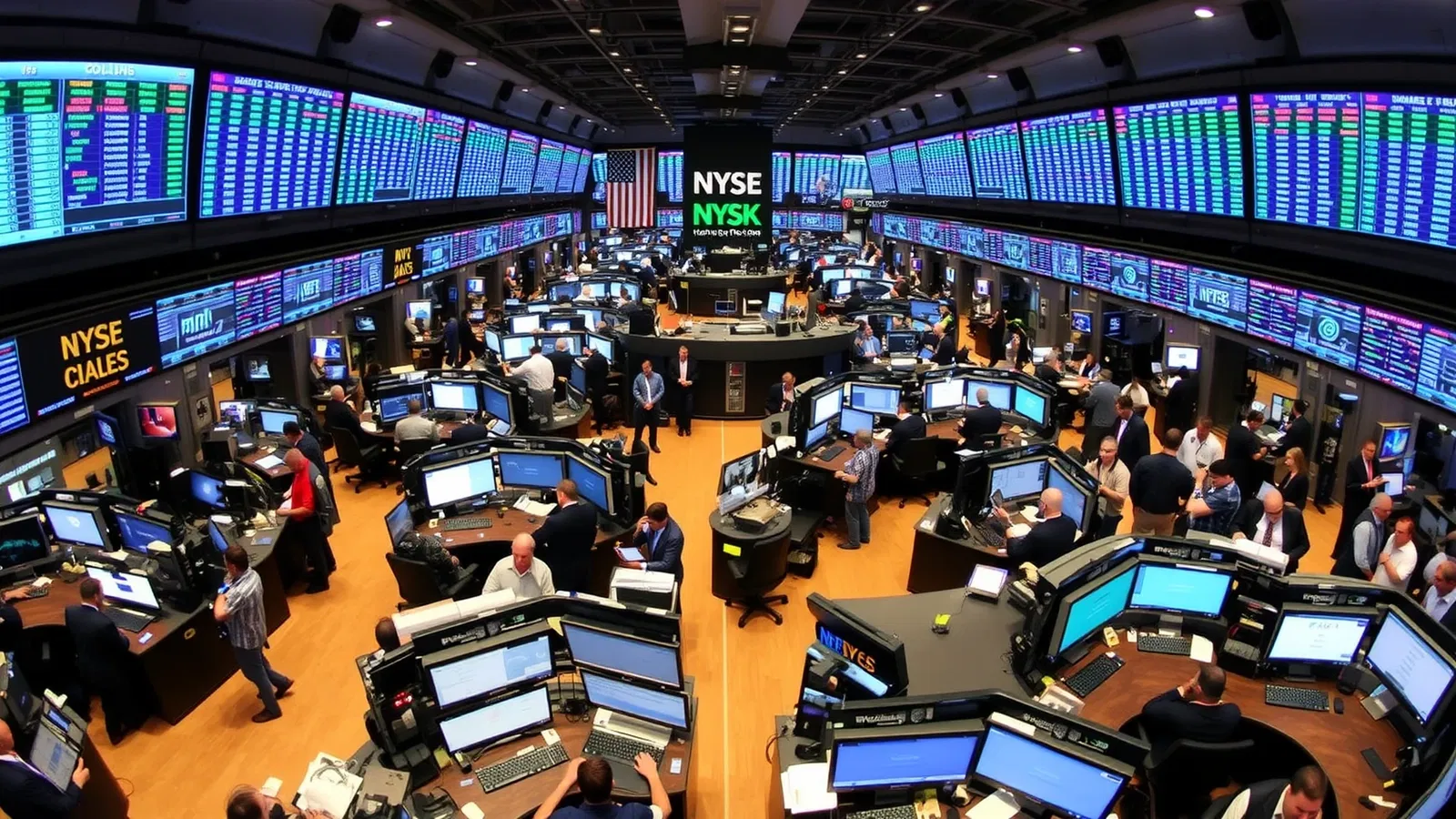
Friday’s session was brutal. The S&P 500 fell 1.3%, the Nasdaq dropped 1.6%, and the Russell 2000—the small-cap index most sensitive to domestic economic conditions—cratered 2.3%.
The arithmetic confronting the Federal Reserve is genuinely punishing. An economy hemorrhaging jobs typically demands rate cuts. An economy absorbing a double-digit percentage surge in crude prices typically demands restraint, if not tightening. The Fed cannot do both simultaneously. Thursday’s newsletter raised the question of whether markets should price in the dovish chair who hasn’t been confirmed or the hawkish reality of crude oil that won’t stop climbing. Friday’s data made the question significantly more urgent—and significantly harder to answer.
When Geopolitics Hits the Server Farm
We are accustomed to measuring Middle Eastern conflict in barrels and shipping lanes. On Friday night, the battlefield expanded into territory that should alarm every CIO and portfolio manager in the technology sector: Iranian drones struck three Amazon Web Services data centers in the United Arab Emirates and Bahrain.
Tehran explicitly confirmed it targeted Amazon’s cloud infrastructure. Let that register. A nation-state deliberately attacked the physical backbone of the world’s largest cloud provider. The full scope of the service disruption has not been disclosed, but the strategic implications are immediate. Every hyperscaler operating facilities in the Gulf region—and every enterprise customer relying on those facilities—now carries a geopolitical risk premium that did not exist a week ago. The assumption that digital infrastructure sits safely above the fray of kinetic conflict has been shattered.
The Road to $120 Oil and What It Breaks
Thursday, Brent was pressing $84 and we called $85 the critical watch level. By Friday’s close, that number looked quaint. Brent at $92.69 and WTI at $90.90 reflect a market pricing in sustained disruption through the Strait of Hormuz, compounded by President Trump’s warning of “complete destruction” directed at new targets in Iran.
The transmission into the real economy is already measurable. Florida gas prices have jumped nearly 50 cents since the conflict escalated. Barclays analysts warn that a sustained push toward $100 per barrel will lift US headline inflation in a way that forces the Fed’s hand. The more alarming scenario comes from Infomerics’ chief economist, who is modeling a protracted conflict driving crude to $120. At that level, Morgan Stanley projects the dollar catches a massive safe-haven bid, pushing EUR/USD down toward a 1.13 floor—a move that would simultaneously tighten financial conditions for emerging markets and amplify imported inflation across Europe.
For context: on Saturday of last week, we flagged the $100-barrel scenario as the variable that could rewrite the inflation narrative. The market has covered more than half that distance in seven days.
Ukraine’s Battle-Tested Export: Interceptor Drones
As the UAE and Qatar scramble to defend against Iranian drone and missile salvos, an unlikely arms supplier is emerging from the other theater where Iranian drone technology has been tested most extensively. Ukrainian manufacturers of low-cost interceptor drones—purpose-built to neutralize the Iranian-designed Shahed UAVs that Russia has launched by the thousands—are fielding serious inquiries from the US and its Gulf allies.
The cross-pollination is grimly logical. Ukraine has spent three years refining affordable counter-drone technology under live-fire conditions that no testing range can replicate. The Gulf states now face the same threat platform. It is a bleak new export market, but it underscores a broader shift: the defense-industrial base is no longer the exclusive province of legacy contractors. Battle-proven startups with lean cost structures are entering the supply chain at speed.
A Legal Firewall for 350,000 Workers
On the domestic front, a divided US appeals court ruled 2-1 on Friday against the Trump administration’s effort to revoke Temporary Protected Status for more than 350,000 Haitians living and working in the United States. The ruling keeps those individuals integrated in the labor force—a detail worth underscoring in a week when the broader economy reported 92,000 lost jobs. Removing an additional 350,000 workers from the labor supply during a period of rising unemployment and energy-driven inflation would have compounded an already deteriorating macro picture.
The Takeaway
The question that defined Thursday’s newsletter—Broadcom’s $100 billion AI future versus Brent crude’s physical-world veto—has been answered decisively, at least for now. The physical world is winning. Crude oil is up roughly 11% in a single session. Cloud data centers are absorbing drone strikes. The labor market is contracting. The Federal Reserve is boxed in.
When futures open on Sunday evening, crude is the only chart that matters. If oil continues its march toward triple digits, the stagflation murmur on trading desks will become the dominant macro thesis of the second quarter. The week ahead will test whether markets can find a floor—or whether the floor keeps moving.
Enjoy the rest of your weekend.
Best regards,
The StocksToday.com Editorial